


Views: 0 Author: Site Editor Publish Time: 2026-09-08 Origin: Site


The rapid evolution of N-Type technology has pushed cell sizes to their absolute physical and logistical limits. As developers seek a lower Levelized Cost of Energy (LCOE), the debate between standard square and rectangular wafers has intensified. While larger formats increase module power output, they introduce distinct logistical bottlenecks. Oversized panels often complicate shipping container utilization, mechanical loading, and tracker compatibility. We must address these handling issues early to protect overall project viability and baseline margins.
This guide provides a direct, technical comparison of G12 and G12R formats. We aim to help EPCs (Engineering, Procurement, and Construction) and project developers evaluate specifications accurately. You will learn how to calculate real-world Balance of System (BOS) impacts using reliable data. By understanding these form factors, you can make evidence-based procurement decisions for your next utility or commercial deployment.
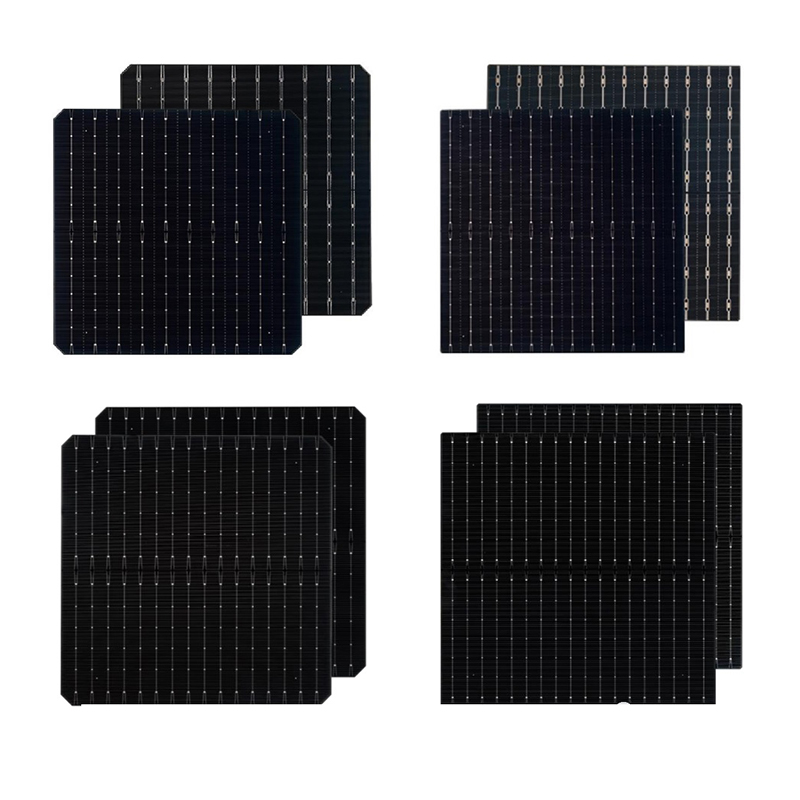
Format: The standard G12 210mm Solar Cell uses a 210x210mm square format, whereas the G12R Solar Cell adopts a 210x182mm rectangular design.
Logistics: G12R was engineered specifically to maximize space in standard 40HC shipping containers, significantly reducing freight costs compared to standard G12 and older modules.
Handling & BOS: The reduced width of G12R modules mitigates the handling difficulties and elevated wind-load risks associated with oversized G12 panels, while maintaining higher power outputs than an M10 TOPCon Solar Cell.
Application: Standard G12 remains highly viable for ultra-large-scale utility projects with robust mounting systems, while G12R is becoming the standard for versatile C&I (Commercial & Industrial) and space-constrained utility deployments.
The transition toward rectangular wafers represents a critical engineering milestone. The solar industry constantly optimizes physical module dimensions. We must clearly understand the dimensional differences between competing form factors. A traditional G12 210mm Solar Cell utilizes a pure square geometry. It measures exactly 210mm by 210mm. This shape maximizes the active light-absorbing area effectively. However, it creates an exceptionally wide module footprint. These wider panels frequently exceed ergonomic handling limits.
Conversely, the rectangular format solves this precise physical problem. It measures 210mm by 182mm. It successfully integrates the length of a G12 wafer. At the same time, it adopts the narrower width of an older M10 wafer. This hybrid approach delivers optimal surface area. It completely avoids the structural penalties of massive square wafers.
Table 1: Dimensional Baseline Comparison
Feature Category | Standard G12 Format | G12R Rectangular Format |
|---|---|---|
Wafer Dimensions | 210mm x 210mm | 210mm x 182mm |
Aspect Ratio | Square (1:1) | Rectangular (1.15:1) |
Typical Module Width | Exceeds 1.3 meters | Standardized around 1.13 meters |
Handling Profile | Requires two-person lift | Ergonomic single-person lift possible |
Both formats effectively utilize advanced N-Type TOPCon and HJT cell architectures. Module power variance stems entirely from the total surface area. It does not reflect a difference in fundamental chemical efficiency. If two wafers share identical surface passivations, their conversion efficiency remains equal. The larger square simply captures more total sunlight.
We must also evaluate electrical characteristics carefully. Rectangular formats typically feature highly optimized current-voltage (I-V) profiles. Manufacturers alter the physical aspect ratio strategically. They can manage string currents much more effectively. This strategic reduction lowers the risk of inverter clipping. Peak standard outputs from a massive square cell sometimes overwhelm older inverter hardware. The rectangular design keeps operating currents within safer, standardized thresholds.
International procurement teams face severe logistical hurdles constantly. The shipping container remains a rigid primary bottleneck. A standard 40-foot High Cube (40HC) container possesses fixed internal dimensions. You cannot stretch these spatial limits. Oversized square panels create distinct packing problems. They often leave wasted dead space inside the steel container. Alternatively, they force manufacturers to use complex vertical packaging.
Vertical stacking introduces significant transit risks. It increases the probability of microcracks during rough ocean freight. To combat this, engineers standardized the G12R Solar Cell dimensions specifically for global shipping. Modern rectangular modules typically measure 2382mm by 1134mm. These exact dimensions are mathematically optimized for logistics. They allow perfect dual-row pallet stacking inside a standard 40HC container.
We can measure the direct cost impact easily. Rectangular modules typically achieve a 4% to 9% increase in container space utilization. They outperform older cell format modules significantly. This dense packing translates directly to lower per-watt shipping costs. Protecting your freight margin is critical for international procurement. Every wasted cubic meter reduces overall project profitability.
Request detailed pallet packing diagrams from your manufacturer before signing contracts.
Verify the exact internal dimensions of the specific containers used by your freight forwarder.
Calculate shipping costs on a per-watt basis rather than a per-container basis.
Avoid vertical single-row packaging to minimize transit vibration damage.
When comparing G12 vs G12R solar cells, you must evaluate mechanical mounting carefully. Wide panels exert substantially higher torque on single-axis trackers. They act like large sails during severe wind events. This aerodynamic drag forces tracker manufacturers to upgrade their hardware. They must utilize heavier, more expensive steel components. They also add costly mechanical dampers to prevent torsional galloping.
The narrower profile of the rectangular module solves this mechanical issue. It reduces the tracker wind stow requirements significantly. It lowers the overall mechanical load placed on the torque tube. This reduction directly translates to lower tracker steel costs. EPCs can deploy lighter, standard tracking systems safely.
We see similar savings in cable and trenching economics. Both formats allow for high-string power configurations. High-string power reduces the total number of parallel strings. You need fewer combiner boxes across the site. Total trenching length drops dramatically compared to older arrays. This accelerates the construction schedule noticeably.
Electrical compatibility requires careful attention during the design phase. You must assess inverter short-circuit current (Isc) limits thoroughly. Standard oversized modules easily push the input boundaries of legacy string inverters. They often exceed 18 amps. The rectangular format operates at a slightly lower current profile. This offers broader plug-and-play compatibility. You can pair them safely with most current standard inverters.
Larger surface areas inherently increase microcrack vulnerability. Glass panes deflect under heavy wind or extreme snow loads. Constant micro-deflections cause severe cell cracking over a 25-year lifespan. Any standard module exceeding 1.3 meters wide requires structural upgrades. Manufacturers must use thicker front glass. Sometimes they add heavy aluminum cross-bracing to the rear frame. These additions prevent catastrophic cell failure but increase panel weight.
The rectangular format offers a more structurally rigid aspect ratio. It improves mechanical load test survivability dramatically. Standard IEC 61215 testing subjects panels to 5400 Pa of snow load. The narrower span resists center deflection much better. Every high-efficiency Solar Cell requires a stable physical environment to maintain peak output.
Labor and installation dynamics also favor narrower modules. Consider the physical limits of a standard human worker. A module exceeding 1.3 meters in width is highly difficult to handle safely. A single worker cannot grip the edges comfortably. Wind gusts can easily knock the installer off balance. This leads to higher onsite drop rates.
Ignoring wind speed limits: Never allow installation teams to mount wide-format modules during high wind events.
Bypassing two-person lifts: Always mandate two workers for panels exceeding 1.2 meters in width to prevent microcracking.
Improper edge resting: Do not rest oversized modules on sharp mounting rail edges prior to securing the clamps.
Rectangular modules fall perfectly within normal ergonomic limits. At approximately 1.13 meters wide, a single worker can guide them into place securely. This speeds up installation velocity significantly. Faster installation reduces expensive manual labor hours.
Project developers need clear rules for technology selection. We recommend using a strict shortlisting framework based on site characteristics. You must align the physical module size with your environmental and structural constraints.
First, evaluate when to specify a standard M10 TOPCon Solar Cell. This legacy format works best for residential roofs. It is ideal for small commercial buildings where strict weight limits govern the roof structure. It presents the absolute lowest logistics risk. However, it yields the highest BOS cost at the utility scale due to increased string counts.
Next, determine when to specify standard square G12 modules. They remain ideal for massive, flat-terrain utility projects. They work perfectly when custom, heavy-duty tracker systems are already budgeted. If maximizing absolute wattage per panel is your solitary goal, this format delivers unmatched raw power.
Finally, know when to specify the rectangular G12R. It represents the optimal middle ground. You should choose this format for complex C&I rooftops. It is the premier choice for utility projects utilizing standard single-axis trackers. It is especially vital when international freight costs remain a volatile variable in your project financial model. It protects budgets while delivering exceptional power density.
The transition from standard square to rectangular formats is not a radical leap in photovoltaic chemistry. Instead, it represents a highly pragmatic evolution in physical form factor. Rectangular modules solve the most pressing mechanical and logistical pain points of standard 210mm cells. They achieve this without regressing to the lower power limits of older industry standards. They balance power density, shipping efficiency, and mechanical reliability perfectly.
Procurement teams must take proactive next steps. You should request localized LCOE modeling directly from module manufacturers. Ask for side-by-side BOS and freight cost estimates for both formats. Use your target site's specific tracker and inverter selection for these calculations. By running real-world simulations, you ensure the highest possible long-term return on your hardware investment.
A: No. The conversion efficiency (percentage of sunlight converted to electricity) is identical assuming the same cell technology (e.g., TOPCon). The difference is purely in the total power output per module due to the physical surface area.
A: Generally, yes, but verification is required. Standard G12 modules produce higher maximum currents, which may exceed the input limits of some older string inverters. G12R modules have a slightly lower current profile, making them broadly compatible.
A: Standardization. Rectangular cells allow module manufacturers to standardize panel sizes (like the 2382x1134mm dimension) which perfectly fit into shipping containers and align with the structural limits of mainstream solar tracking systems.



