


Views: 0 Author: Site Editor Publish Time: 2026-02-11 Origin: Site


From large-scale grid installations to commercial facilities and residential backup solutions, each type of BESS is designed for a specific energy need and operating environment. Choosing the right system depends on application, capacity, and battery technology.
In this guide, we focus on the main types of battery energy storage systems, including C&I ESS, household ESS, and utility-scale storage, along with key battery options such as LFP and GEL. Understanding these types helps project owners and energy planners select the most efficient and reliable storage solution for modern power demands.
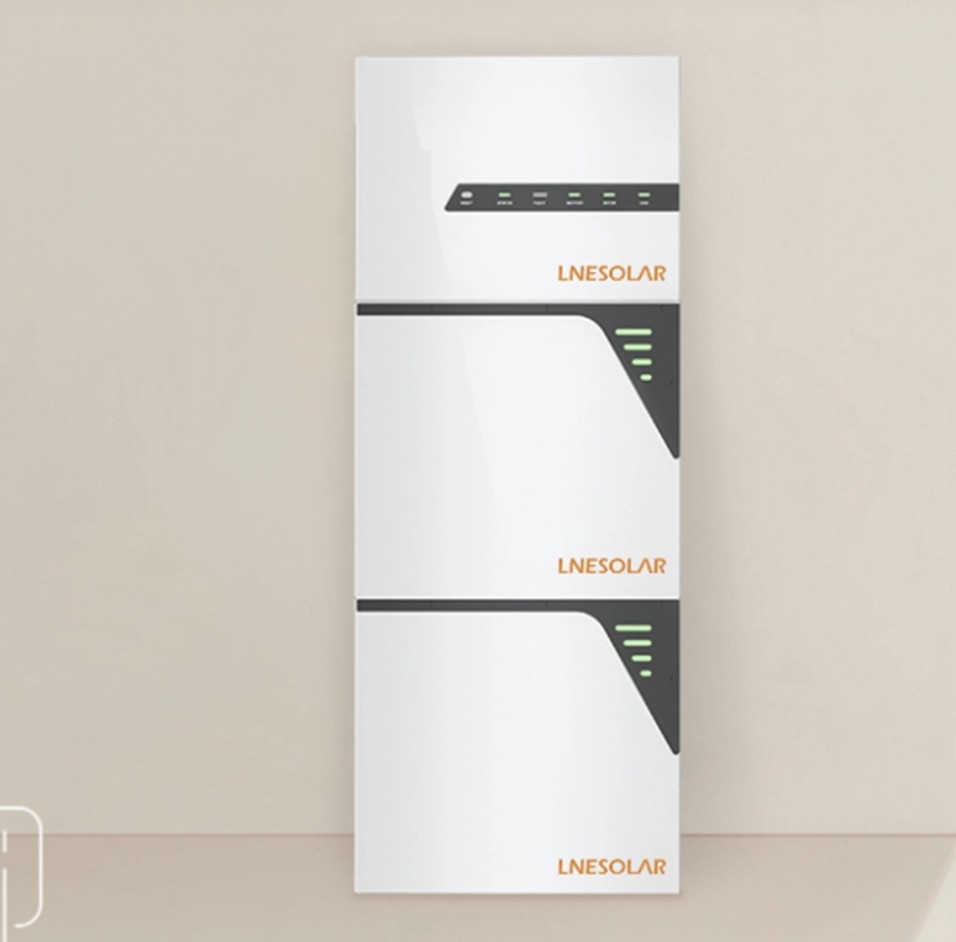
A battery energy storage system (BESS) is an integrated solution that stores electricity and delivers it when energy demand rises. It can capture power from solar, wind, or the grid and release it when needed, helping balance supply and consumption across modern energy networks. Acting as a flexible energy buffer, BESS improves reliability and supports efficient energy use.
BESS can be categorized into several types based on application and battery technology. Common system types include residential storage, commercial and industrial (C&I) storage, and utility-scale energy storage for grid support. In terms of battery chemistry, lithium iron phosphate (LFP) and GEL batteries are widely used. Each type serves different energy needs, from home backup power to large-scale grid stabilization.
Battery energy storage systems can be grouped by application and battery chemistry. Each type serves different energy needs across residential, commercial, and grid environments. Understanding these categories helps project owners choose the right storage solution for specific power demands.
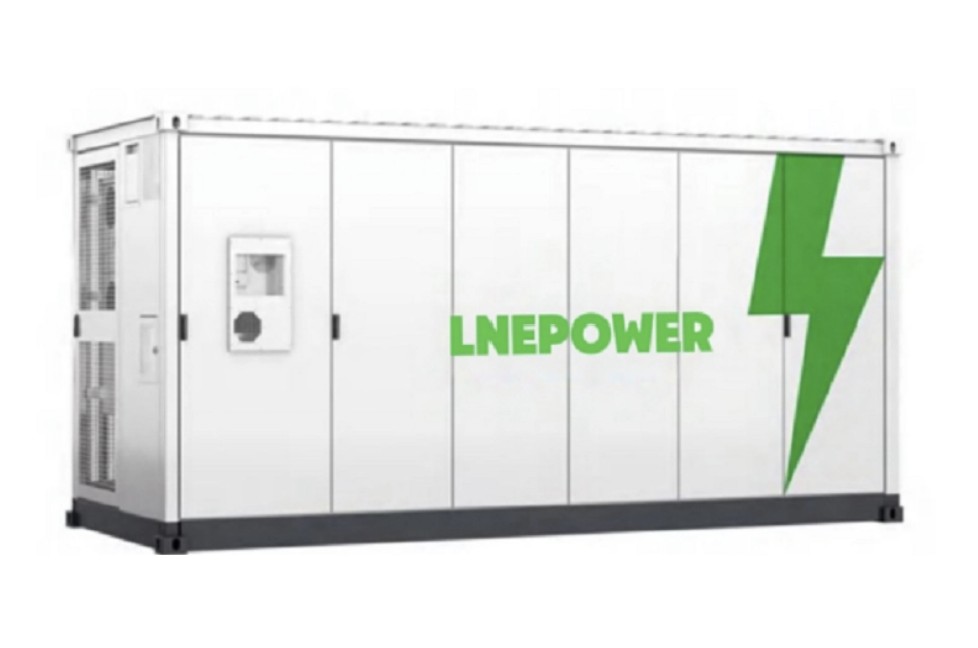
C&I energy storage systems are widely used in factories, warehouses, and commercial facilities. They help businesses manage electricity costs and maintain stable operations during peak demand periods. Many companies use them to reduce demand charges and improve overall energy efficiency.
These systems also provide backup power for critical equipment. When combined with solar generation, they allow facilities to store excess energy and use it later. This improves cost control and energy independence across industrial sites.
Typical applications include:
Manufacturing plants
Logistics and distribution parks
Shopping malls and commercial campuses
Fast EV charging stations
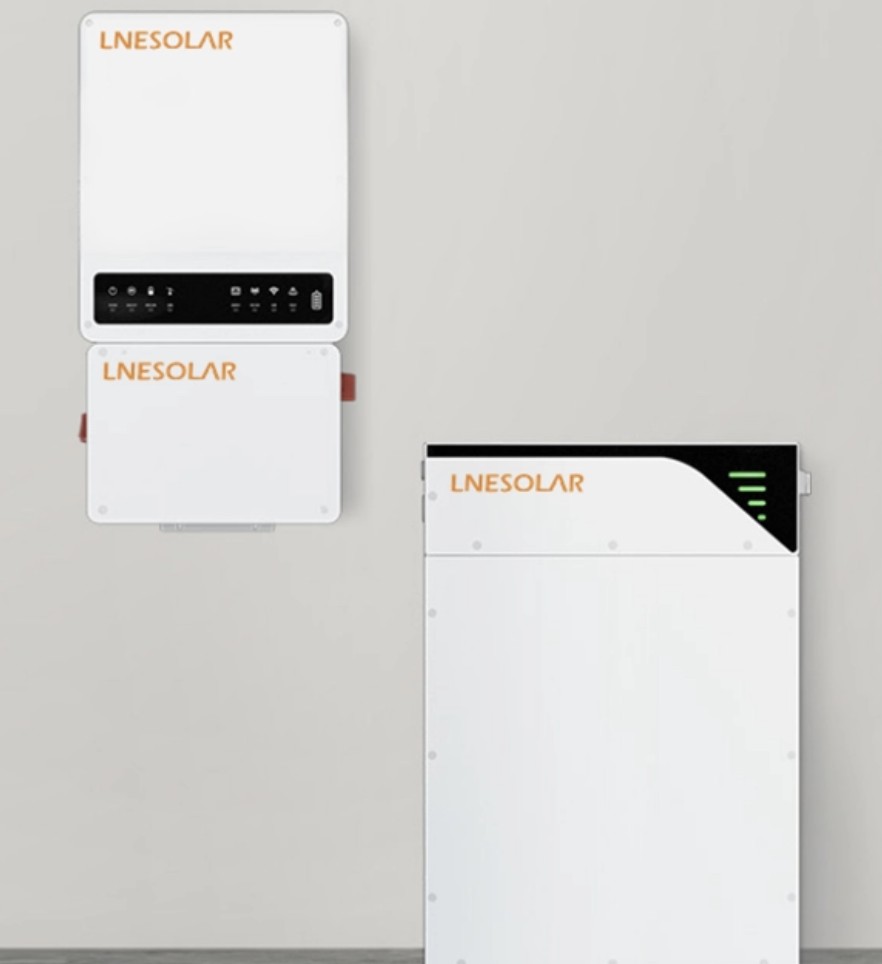
Residential storage systems support homes and small offices by providing reliable backup power. They store excess solar energy during the day and supply electricity at night or during outages. This improves self-consumption and reduces reliance on the grid.
Homeowners use these systems to manage electricity bills and ensure continuous power. They also support smart home energy management and off-grid living in remote areas.
Common scenarios include:
Rooftop solar homes
Off-grid or weak-grid regions
Smart residential energy systems
Utility-scale storage systems operate at grid level and support large renewable energy projects. They help balance supply and demand across power networks. These systems stabilize voltage and frequency while storing excess renewable energy.
Grid operators use large storage installations to manage peak loads and improve network reliability. They also support energy trading and long-term capacity planning.
Typical deployment scenarios:
Solar and wind power plants
Grid-side storage stations
Microgrids and island power systems
Different battery chemistries are used across energy storage systems. Each offers unique advantages in cost, lifespan, and performance.
LFP batteries are widely used in modern storage systems. They offer high safety, long cycle life, and stable thermal performance. Many commercial, residential, and utility-scale projects prefer LFP technology for reliable long-term operation.
GEL batteries represent a traditional and cost-effective storage option. They are commonly used in backup power systems and smaller installations. While their lifespan is shorter than lithium batteries, they remain a mature and widely available solution for budget-sensitive projects.
| Battery Type | Key Advantages | Typical Use |
|---|---|---|
| LFP Battery | High safety, long lifespan | C&I, residential, utility |
| GEL Battery | Lower cost, mature technology | Backup and small systems |
According to industry discussions and competitor coverage, several other battery technologies are also used across global energy storage markets:
| Battery Type | Key Features | Typical Use |
|---|---|---|
| Lithium-ion (general) | High efficiency, fast response | Most modern BESS |
| Flow batteries | Long cycle life, scalable | Grid-scale storage |
| Lead-acid | Low cost, mature technology | Backup systems |
| Sodium-based batteries | Emerging technology | Future grid storage |
While new technologies continue to develop, LFP batteries and system-level ESS solutions remain the dominant choice for most commercial and grid-connected projects in 2026.
Beyond mainstream system types, several battery technologies are widely used across global energy storage projects. Lithium-ion batteries remain the dominant choice in modern BESS due to high efficiency, fast response time, and strong overall performance. They are commonly deployed in residential, commercial, and utility-scale storage where reliable cycling and energy density are required.
Flow batteries are gaining attention in large-scale and grid applications. They offer long cycle life and flexible scalability, making them suitable for projects that require extended discharge duration and frequent cycling. Although their upfront cost is higher, they perform well in long-duration energy storage scenarios.
Lead-acid batteries, including GEL variants, are mature and widely available technologies. They provide a lower initial cost and are often used for backup power and small-scale storage systems. However, they typically have shorter lifespan and lower energy density compared with lithium-based solutions.
Emerging technologies such as sodium-based batteries are also entering the market. These systems aim to reduce reliance on lithium resources while offering improved safety and cost advantages in the future. As technology evolves, lithium iron phosphate (LFP) and integrated BESS solutions continue to dominate most commercial and grid-connected projects due to their balance of safety, cost, and performance.
Selecting the right battery energy storage system starts from real project needs. Each project has different load patterns, cost targets, and grid conditions. A clear selection process helps avoid oversizing, compliance risks, and unnecessary investment.
We should first identify where and how the system will operate. Residential systems focus on backup power and solar self-consumption. Commercial and industrial projects aim for cost savings and stable operations. Utility-scale systems support grid stability and renewable integration.
Key factors to define include:
Residential, commercial, or utility-scale usage
Backup power or energy optimization goals
On-grid, hybrid, or off-grid requirements
Understanding the application helps determine system size and configuration.
Capacity planning directly affects project performance and return on investment. We need to calculate required storage based on daily consumption and peak demand. Oversized systems increase costs, while undersized systems limit performance.
Important considerations include:
Required capacity in kWh or MWh
Peak load and usage patterns
Future expansion or modular upgrades
| Capacity Factor | Why It Matters |
|---|---|
| Storage size | Meets daily energy needs |
| Peak demand | Supports stable operation |
| Scalability | Allows future expansion |
| Load profile | Improves system efficiency |
Battery chemistry influences safety, lifespan, and maintenance. LFP batteries are widely used for long-term reliability and high safety performance. They offer stable operation across commercial and utility projects. GEL batteries provide a lower-cost option for backup or smaller systems.
When comparing technologies, consider:
Safety and cycle life
Maintenance requirements
Total cost of ownership
Project duration and usage frequency
Certification plays a critical role in system approval and installation. Many regions require compliance before grid connection or commissioning. Projects without proper certification may face delays or rejection.
Key compliance checks include:
UL, IEC, or CE certification
Local grid connection standards
Electrical and safety regulations
Transport and installation approvals
Supplier capability affects long-term project success. Experienced manufacturers understand certification requirements and installation standards across global markets. They also provide technical guidance during system design and deployment.
Evaluate suppliers based on:
Global project experience
Engineering and customization capability
After-sales service and warranty
Technical support during installation and operation
| Supplier Factor | Impact on Project |
|---|---|
| Project experience | Reduces deployment risks |
| Engineering support | Improves system design |
| After-sales service | Ensures long-term reliability |
| Certification support | Speeds up approval process |
A:Lithium-ion based BESS, especially LFP systems, are the most widely used due to high safety, long lifespan, and strong efficiency.
A:No technology fully replaces lithium yet. Sodium-ion, solid-state, and flow batteries are emerging alternatives under development.
A:Common types include lithium-ion, lead-acid, flow batteries, sodium-sulfur, solid-state, pumped hydro, compressed air, and thermal storage.
A:LFP offers higher safety and longer lifespan. NMC provides higher energy density. Choice depends on project needs.

Explore LNESOLAR integrated solar and energy storage solutions designed for reliable, efficient, and sustainable power. Our advanced PV modules and BESS systems work seamlessly together to deliver stable energy supply, lower carbon emissions, and optimized performance. With global manufacturing strength and proven project experience, we help you build resilient renewable infrastructure and accelerate your clean energy transition.



