


Views: 0 Author: Site Editor Publish Time: 2026-02-11 Origin: Site


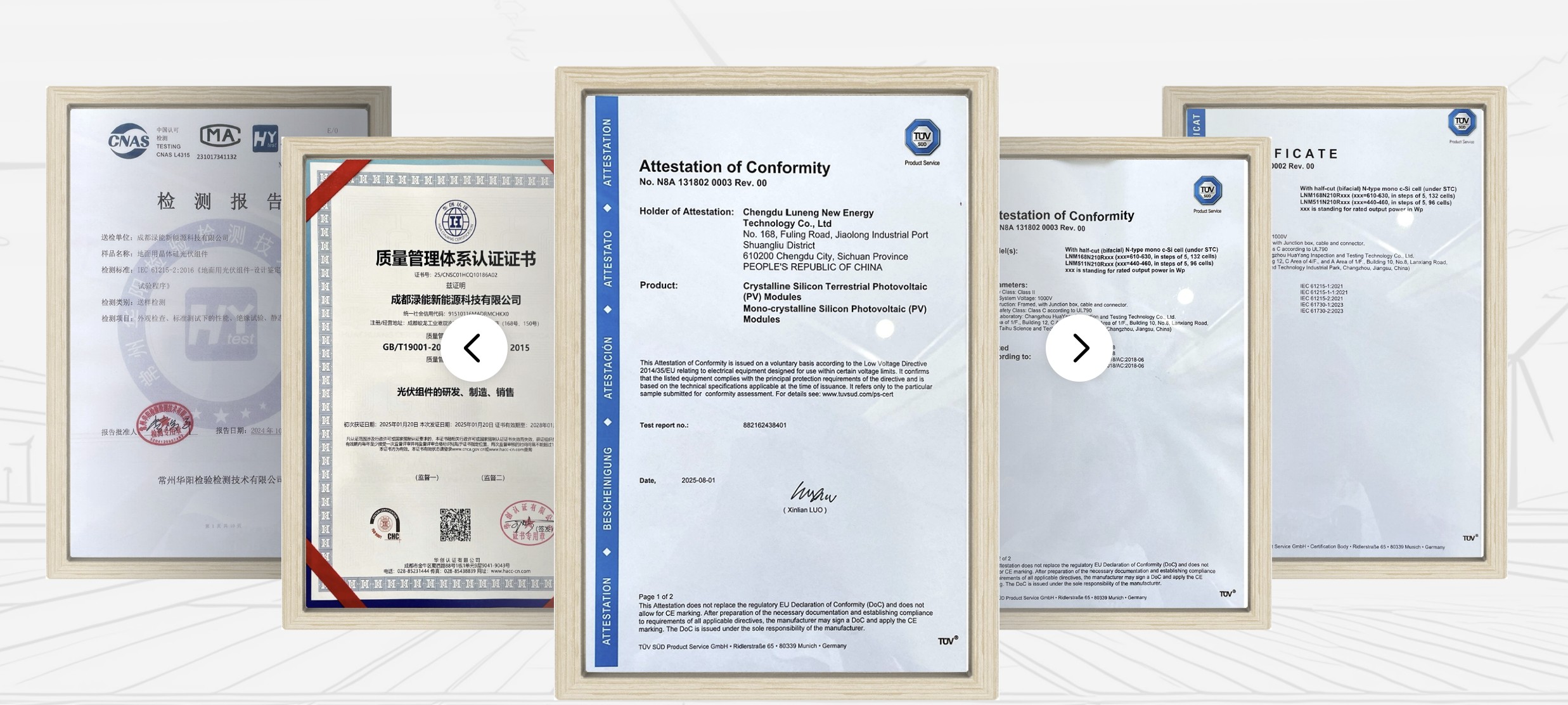
As battery energy storage systems are deployed across global energy projects, certification has become a critical requirement rather than an optional feature. Proper certification ensures that storage systems meet strict safety, performance, and regulatory standards, helping prevent operational risks and ensuring reliable long-term use. For manufacturers and project developers, certification also determines whether products can enter key markets such as the United States, Europe, and emerging renewable regions.
This guide explains the key certifications, their importance, and what buyers, EPC contractors, and distributors should understand before selecting a battery energy storage system.
As large-scale storage projects continue to expand across utilities, commercial facilities, and renewable installations, certified systems are now expected as a standard rather than an option. Certification ensures that energy storage equipment meets strict safety, performance, and regulatory requirements, helping reduce operational risks while supporting long-term reliability and project approval across different regions.
Battery energy storage systems handle high energy density and complex electrical operations, which makes safety a top priority. Certification processes are designed to evaluate system performance under demanding conditions, including overheating, electrical faults, and fire risks. These tests help prevent thermal runaway and other potential failures that could threaten facilities or nearby infrastructure. By ensuring that storage systems meet recognized safety standards, certification helps protect users, project assets, and the stability of connected power grids.
In many regions, certification is required before battery energy storage systems can be installed or connected to the grid. The United States typically requires UL standards such as UL9540, while Europe relies on CE marking and IEC safety standards. In the Middle East and other emerging markets, international certification frameworks are often required for project approval. Without the necessary certifications, energy storage systems may face import restrictions, installation delays, or rejection by utilities and regulators, making compliance essential for global market entry.
Certification also plays a critical role in building trust among buyers, investors, and project developers. Certified battery storage systems are generally easier to finance and insure because they demonstrate verified safety and performance. EPC contractors and project owners often require complete certification documentation before procurement to reduce technical and financial risk. For distributors and system integrators, offering certified products strengthens credibility and helps ensure smoother project approvals and long-term partnerships across the energy industry.
Battery energy storage projects must meet strict global certification standards. These standards ensure safety, compliance, and smooth market entry. Each region follows different certification frameworks and testing rules. Understanding them helps buyers choose compliant systems quickly.
The United States has some of the strictest storage safety rules. Most large projects require recognized UL certifications. These standards focus on full system safety and fire protection.
Key UL certifications include:
UL9540: Complete BESS system certification covering battery, PCS, and controls
UL9540A: Fire propagation and thermal runaway testing
UL1973: Battery safety standard for stationary applications
Developers and utilities often request full UL9540 compliance. Without it, many projects cannot move forward.
IEC standards are widely accepted across global markets. Many countries follow them for industrial and utility storage systems. They focus on safety, performance, and electrical protection.
Common IEC certifications include:
IEC62619: Safety requirements for industrial lithium batteries
IEC62933: Overall safety guidance for energy storage systems
IEC62477: Safety rules for power conversion equipment
Projects in Asia, Europe, and the Middle East often require IEC compliance. They support global deployment and cross-border acceptance.
CE marking is required for entry into the European market. It confirms compliance with EU safety and technical regulations. Products without CE marking cannot be legally sold in Europe.
CE certification typically includes:
EMC (electromagnetic compatibility)
LVD (low voltage directive)
General safety and performance standards
European distributors and EPC firms require CE-compliant systems.
UN38.3 certification is essential for shipping lithium batteries worldwide. It verifies safety during air, sea, and land transportation. Without it, batteries cannot be transported internationally.
Testing includes:
Altitude simulation
Thermal cycling
Vibration and shock tests
Short-circuit protection checks
Manufacturers must complete UN38.3 before global delivery.
| Certification | Region | Purpose |
|---|---|---|
| UL9540 | United States | Full BESS system safety |
| UL9540A | United States | Fire propagation testing |
| UL1973 | United States | Battery safety standard |
| IEC62619 | Global | Industrial battery safety |
| IEC62933 | Global | Energy storage system safety |
| CE Marking | Europe | Market entry compliance |
| UN38.3 | Global | Transport safety certification |
Many buyers confuse battery cell certification and full system certification. They are not the same. Both matter, but they serve different purposes in projects. Understanding the difference helps avoid compliance risks.
Cell-level certification focuses on individual battery safety and performance. It evaluates how battery cells behave under stress and normal use. Testing includes thermal stability, electrical safety, and cycle performance.
Common cell-level certifications include:
UL1973: Safety standard for stationary battery applications
IEC62619: International safety standard for industrial lithium batteries
These certifications confirm battery quality and reliability. They do not approve a complete storage system for installation.
System-level certification evaluates the entire energy storage system. It considers how all components work together during operation. This includes safety, performance, and electrical integration.
A complete BESS typically includes:
Battery packs
Inverter or PCS
Battery management system (BMS)
Energy management system (EMS)
Enclosure and cooling systems
System certification tests interactions between these components. It verifies full operational safety under real conditions.
System-level certification is essential for large-scale deployments. Utilities and regulators require complete system approval. Many countries mandate system certification before grid connection. Cell certification alone is usually not sufficient. Project developers and EPC contractors request full system compliance. Insurance providers also prefer certified complete systems.
| Certification Type | Scope | Purpose | Project Impact |
|---|---|---|---|
| Cell-Level | Individual battery cells | Safety and performance testing | Supports component quality |
| System-Level | Entire BESS system | Full operational safety approval | Required for installation |
| UL1973 / IEC62619 | Battery only | Cell certification | Not enough for grid projects |
| UL9540 (example) | Full system | Deployment approval | Needed for large projects |
Verifying whether a battery energy storage system is properly certified is a critical step before procurement or project deployment. Incomplete or misleading certification claims can lead to installation delays, regulatory rejection, or safety risks. Buyers, EPC contractors, and project developers should follow a structured verification process to ensure that the system meets all required safety and compliance standards.
The first step is to review official certification documents provided by the supplier. A properly certified BESS should include complete and up-to-date documentation covering system safety and compliance. These documents confirm that the system has been tested according to recognized international standards and approved by authorized certification bodies.
Key documents to request include:
UL or IEC certification certificates
Third-party laboratory test reports
Factory audit or quality inspection reports
When reviewing these files, ensure that product model numbers, manufacturer names, and certification scopes match the actual system being offered. Any mismatch between documents and equipment specifications should be clarified immediately before moving forward.
Supplier-provided documents should always be cross-checked using official certification databases. Many recognized testing and certification organizations maintain public platforms that allow buyers to confirm the validity of certificates and approval scope. Verifying through these databases ensures that the certification is authentic and still valid.
Common verification platforms include:
UL Product iQ: Used to confirm UL system and battery listings
TÜV certification database: Verifies IEC and CE compliance
Intertek or SGS listings: Confirms third-party testing approval
Searching by certificate number, manufacturer name, or product model can help confirm whether a system has genuine and active certification.
It is also important to identify incomplete or misleading certification claims. Some suppliers may present battery cell certification as full system certification, which is not sufficient for most commercial or utility projects. Others may provide expired certificates or documents issued by unrecognized testing laboratories.
Common warning signs include:
Cell-only certification presented as full BESS system approval
Expired or invalid certification documents
Certificates issued by non-accredited or unknown testing labs
Missing reports for inverters, enclosures, or control systems
Carefully verifying certification coverage and validity helps prevent project risks and ensures smooth installation and grid connection approval.
| Verification Step | What to Confirm | Why It Matters |
|---|---|---|
| Document review | UL/IEC certificates and test reports | Confirms compliance and safety |
| Database check | UL, TÜV, Intertek listings | Ensures authenticity of certification |
| Scope validation | Cell vs full system certification | Avoids incomplete compliance |
| Validity check | Expiration date and issuing lab | Prevents project approval delays |
Battery energy storage projects often face certification-related challenges during procurement and installation. Buyers and EPC contractors must manage multiple standards, documents, and approval processes across different markets. Without careful planning, certification gaps can lead to delays, added costs, or even project rejection. Understanding these common challenges helps teams prepare and avoid unnecessary risks during deployment.
One of the most frequent issues is receiving incomplete certification packages from suppliers. Some manufacturers provide only battery cell certificates while omitting full system certifications. Others may lack updated test reports or factory audit documentation. Buyers should ensure that certification packages include system-level approvals, test records, and compliance reports covering all major components, including batteries, inverters, and control systems.
Typical missing documents include:
Full system certification reports
Fire safety and thermal testing results
Factory quality audit records
Valid and current compliance certificates
Incomplete documentation can slow procurement decisions and create uncertainty during technical evaluation.
Certification requirements vary significantly across global markets. The United States typically requires UL standards, while Europe relies on CE marking and IEC compliance. In emerging markets such as the Middle East or Southeast Asia, project owners may request a combination of international and local certifications. This variation creates complexity for buyers sourcing systems for multiple regions.
| Region | Primary Certification Standards | Challenge for Buyers |
|---|---|---|
| United States | UL9540, UL1973 | Strict system-level requirements |
| Europe | CE, IEC62619 | Multiple directives and testing |
| Middle East | IEC-based standards | Project-specific approvals |
| Southeast Asia | IEC preferred | Mixed regulatory frameworks |
Understanding regional differences early in the procurement process helps avoid redesign or re-certification later.
Certification gaps or unclear documentation can lead to project approval delays. Utilities, local authorities, and inspection bodies often require verified certification before allowing installation or grid connection. If documents are missing or incomplete, approval timelines may extend significantly. This can affect project schedules, construction planning, and financing arrangements.
Common causes of approval delays include:
Missing system-level certification
Expired compliance documents
Unverified test reports
Misalignment between project specifications and certification scope
Ensuring complete and valid certification before delivery helps maintain project timelines.
Insurance providers and project investors also rely heavily on certification when assessing risk. Certified systems are generally easier to insure because they demonstrate compliance with recognized safety standards. Without proper certification, insurance premiums may increase or coverage may be denied altogether. EPC contractors and developers must therefore ensure that selected systems meet all safety and regulatory requirements before installation to protect both assets and long-term project performance.
Selecting the right BESS supplier is not only about price or capacity. Certification readiness plays a critical role in project success. A reliable supplier helps you avoid delays, compliance risks, and safety concerns. We should always verify certification, manufacturing quality, and project experience before making a decision.
We should first confirm full certification coverage across the entire system. Many suppliers claim compliance but only certify battery cells. A properly certified supplier provides system-level approvals covering batteries, PCS, BMS, and enclosure.
Look for complete certification documentation such as:
UL9540 or IEC system certificates
Battery safety standards like UL1973 or IEC62619
Fire testing reports such as UL9540A
Valid CE or regional compliance certificates
A complete package shows readiness for global deployment. It also reduces approval risks during installation.
| Certification Scope | Why It Matters |
|---|---|
| Cell certification | Basic battery safety only |
| System certification | Required for grid projects |
| Fire safety testing | Critical for insurance approval |
| Regional compliance | Needed for market entry |
Suppliers offering full coverage help prevent costly redesigns later.
Manufacturing capability directly affects certification reliability. We should assess production standards, quality control systems, and audit records. Certified factories usually follow strict international processes. These include traceability, testing procedures, and safety management systems.
Key evaluation points include:
ISO quality management certification
Internal testing and validation capability
Consistent production and traceability
Third-party factory audit reports
Strong manufacturing systems support stable performance and long-term safety.
Experienced suppliers understand certification requirements across regions. They know approval processes in the US, EU, and emerging markets. This knowledge helps avoid compliance mistakes and shipping delays.
Check whether the supplier has:
Utility-scale or commercial BESS project experience
Installations in regulated markets like the US or Europe
Export records across multiple regions
References from EPC contractors or developers
| Experience Factor | What It Indicates |
|---|---|
| US/EU projects | High certification standards |
| Utility-scale systems | Strong engineering capability |
| Multi-country exports | Regulatory experience |
| EPC cooperation | Project delivery reliability |
Suppliers familiar with global markets handle certification more efficiently.
Certification does not end after delivery. Projects often require ongoing compliance updates, inspections, and documentation. We should confirm whether the supplier offers long-term technical and compliance support.
Important support capabilities include:
Assistance during local inspections
Updated certification documents
Technical support for grid approval
Warranty and safety response services
Reliable after-sales support helps maintain compliance throughout the project lifecycle.
A:A battery certificate confirms safety, performance, and compliance with international standards. It proves the battery passed required testing and can be legally sold or installed.
A:Installers usually need electrical licenses, safety training, and compliance knowledge. Many projects also require certified technicians and approved system designs.
A:BESS certification verifies the safety and reliability of the full energy storage system. It covers batteries, inverters, BMS, and complete system integration.
A:AEE certification often relates to energy efficiency or regional renewable standards. Requirements vary by country and project type.
A:Apply through India’s BIS authority. Submit product samples, testing reports, and factory audits. Approval allows battery sales in the Indian market.

Explore LNESOLAR integrated solar and energy storage solutions designed for reliable, efficient, and sustainable power. Our advanced PV modules and BESS systems work seamlessly together to deliver stable energy supply, lower carbon emissions, and optimized performance. With global manufacturing strength and proven project experience, we help you build resilient renewable infrastructure and accelerate your clean energy transition.


