


Views: 0 Author: Site Editor Publish Time: 2025-12-25 Origin: Site


In today’s world, sustainability and renewable energy sources have become more important than ever. Among the many renewable energy technologies available, solar cells stand out as one of the most versatile and widely adopted solutions for harnessing the power of the sun. Solar cells, also known as photovoltaic (PV) cells, convert sunlight directly into electricity. They are the cornerstone of solar energy systems that power homes, businesses, and even entire countries.
This article explores how solar cells are used in real life, from everyday household applications to large-scale energy production. We’ll look at the various ways solar cells are integrated into modern society and how they contribute to a more sustainable and energy-efficient future.
Before delving into their real-life applications, it’s important to understand what solar cells are and how they work. A solar cell is a semiconductor device that absorbs sunlight and converts it into electricity through the photovoltaic effect. This process occurs when light photons hit the surface of the solar cell, exciting electrons in the material, which creates an electric current.
Solar cells are typically made from silicon, although other materials like cadmium telluride and copper indium gallium selenide are also used. These cells are often grouped together in panels to increase their efficiency and output.
One of the most common uses of solar cells is in solar panels installed on residential rooftops. Solar panels provide an efficient way to harness solar energy and reduce electricity bills. These systems consist of several solar cells connected together, forming a solar array.
How it works: Solar panels absorb sunlight during the day and convert it into electricity. The generated electricity can be used to power appliances in the home, such as lights, refrigerators, and air conditioning.
Benefits:
Cost savings on electricity bills over time.
Energy independence by generating your own power.
Environmental benefits by reducing carbon footprints.
For homes that generate more electricity than they use, net metering systems allow excess energy to be sent back to the grid, further reducing energy costs.
In addition to generating electricity, solar cells are also used to heat water. Solar water heaters use solar energy to heat water for use in the home, especially in residential areas that experience consistent sunlight.
How it works: Solar thermal collectors, which are often placed on the roof, absorb sunlight and convert it into heat. The heat is transferred to a water storage tank, where it can be used for showers, cooking, or space heating.
Benefits:
Lower utility bills by reducing the need for conventional water heating methods.
Eco-friendly by utilizing clean energy to heat water.
Businesses can benefit from installing solar energy systems to reduce operating costs and promote sustainability. From small enterprises to large corporations, solar panels are being used to power offices, factories, and other commercial buildings.
How it works: Solar panels installed on commercial rooftops or on the ground convert sunlight into electricity, which is used to power business operations. Larger systems can be installed to provide the majority or even all of the energy needs for the business.
Benefits:
Reduced energy costs, especially in regions with high electricity prices.
Sustainability credentials that enhance the company’s reputation.
Tax incentives and rebates from governments to encourage clean energy use.
The automotive industry has also started to integrate solar cells into vehicles, especially with the rise of electric vehicles (EVs). Solar cells are used to extend the range of EVs by powering auxiliary systems, such as air conditioning and lighting, directly from the sun.
How it works: Some electric vehicles are equipped with solar panels on the roof or body, which generate electricity to charge the vehicle’s batteries. While solar panels currently can’t provide enough energy to fully charge an EV, they help reduce the need for grid charging.
Benefits:
Increased driving range by supplementing battery power.
Reduced reliance on charging stations and greater convenience.
In addition, solar-powered electric car charging stations are also becoming more common, offering a sustainable solution for charging EVs.
In agriculture, solar cells are increasingly being used to power irrigation systems in areas where electricity is not readily available. Solar-powered water pumps draw water from wells or rivers and distribute it to crops, significantly improving water access in remote farming areas.
How it works: Solar panels are used to power water pumps that move water to irrigation systems. The sun’s energy is harnessed to ensure crops receive water even in areas with limited or no electricity supply.
Benefits:
Cost-effective solution for farmers in off-grid areas.
Sustainable energy source for irrigation without reliance on diesel generators.
Water conservation by ensuring efficient irrigation practices.
Solar energy is also used to power greenhouses and hydroponic systems. These systems use solar energy to control temperature, humidity, and light, creating optimal conditions for growing plants, especially in regions with harsh climates.
How it works: Solar panels installed on the roof of the greenhouse provide power to ventilation fans, cooling systems, and lights, ensuring the plants grow efficiently.
Benefits:
Increased crop yield due to better environmental control.
Energy savings by reducing the need for traditional power sources.
Environmentally friendly way of growing food with minimal energy consumption.
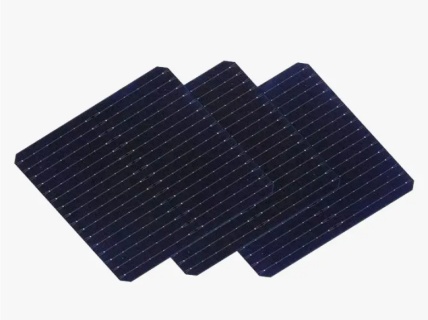
At a larger scale, solar power generation is a key part of many countries’ renewable energy strategies. Solar farms consist of thousands of solar panels installed on large plots of land that generate electricity for the grid.
How it works: Solar panels in a solar farm convert sunlight into electricity, which is then sent to the grid for distribution. Solar farms can be ground-mounted or floating, depending on the available space and geographical features.
Benefits:
Clean energy that reduces reliance on fossil fuels.
Grid stability by providing an alternative energy source during peak demand times.
Job creation in the renewable energy sector.
In coastal regions, solar energy is being used to power desalination plants, which convert seawater into freshwater. These plants are essential for regions that face water scarcity and rely on desalinated water for drinking and irrigation.
How it works: Solar energy is used to power the desalination process, reducing the reliance on fossil fuels and making water production more sustainable.
Benefits:
Sustainable water production in areas facing freshwater shortages.
Reduced carbon footprint by utilizing clean solar energy.
As technology advances, the potential uses of solar cells continue to expand. Innovations like solar windows, solar roofs, and solar-powered smart grids are pushing the boundaries of how we generate and use solar energy. These advancements will make solar energy more accessible, affordable, and efficient in everyday life.
Solar windows: Transparent solar cells embedded in windows that allow buildings to generate power while still letting light in.
Solar roofs: Roof tiles that function as solar panels, providing energy for homes while maintaining the traditional roof appearance.
Smart grids: Solar power integrated into smart grids, allowing for better energy management and distribution based on real-time demand.
From residential homes and agriculture to commercial businesses and large-scale energy production, solar cells have proven to be an indispensable tool in creating a more sustainable and energy-efficient world. Their ability to generate clean energy, reduce reliance on fossil fuels, and help businesses and homeowners cut costs is making solar energy a key player in the transition to renewable power sources.
At Chengdu Luneng New Energy Technology Co., Ltd, we are dedicated to providing high-quality solar energy solutions that meet the growing demand for sustainable power. Whether you’re looking to install solar panels for your home, business, or large-scale projects, we offer reliable products and services that help you harness the power of the sun. Contact us today to learn more about how we can help you make the switch to clean, renewable energy.
Solar cells convert sunlight into electricity through the photovoltaic effect. When sunlight hits the surface of a solar cell, it excites electrons in the material, generating an electric current.
Yes, solar cells can still generate electricity in cloudy conditions, although they are most efficient when exposed to direct sunlight.
Solar cells typically have a lifespan of 25-30 years, after which their efficiency may decrease. However, they still produce electricity at a reduced rate for many years.
While the initial cost of installing solar panels can be high, they provide long-term savings by reducing electricity bills and can often pay for themselves within 5-10 years.
If you're interested in solar energy, start by assessing your energy needs and exploring available options for installing solar panels. Consult with a professional to find the best system for your home or business.



