


Views: 0 Author: Site Editor Publish Time: 2025-12-18 Origin: Site


In today’s world, solar energy has become a cornerstone of sustainable energy solutions. With increasing concerns about climate change and the environmental impact of fossil fuels, many people are turning to solar power as a cleaner and more sustainable alternative. However, understanding the components of solar power systems is crucial for making informed decisions about adoption. Two of the most commonly discussed terms in the solar industry are solar cells and solar panels. While these terms are often used interchangeably, they are fundamentally different. This article will explore the differences between a solar cell and a solar panel, how each works, and the role they play in the broader solar energy system.
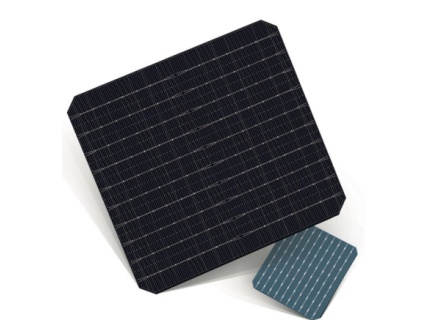
A solar cell, also known as a photovoltaic (PV) cell, is the basic unit that converts sunlight into electricity. It is a semiconductor device typically made from silicon, though other materials can be used as well. When sunlight hits the surface of the solar cell, the energy from the light is absorbed by the cell and generates an electric current through the photovoltaic effect.
Solar cells work based on the principles of the photovoltaic effect. The photovoltaic effect occurs when light photons strike the solar cell, freeing electrons in the material and generating an electric current. Here’s a breakdown of how it works:
Absorption of Light: Sunlight is composed of tiny packets of energy called photons. When photons strike the semiconductor material (usually silicon), they knock electrons loose from their atoms.
Creation of Electron Flow: This flow of electrons generates an electric current. To capture this current, the solar cell uses an electric field created by the junction between different layers of semiconductor material.
Electricity Generation: The free electrons are collected by metal contacts at the top and bottom of the cell, and this movement of electrons is harnessed as direct current (DC) electricity.
There are three main types of solar cells, each offering different advantages in terms of efficiency, cost, and performance:
Monocrystalline Silicon Solar Cells: Made from a single continuous crystal structure, these cells are known for their high efficiency and longevity.
Polycrystalline Silicon Solar Cells: Made from silicon crystals that are melted together, these cells are less efficient than monocrystalline but are more affordable.
Thin-Film Solar Cells: These cells use layers of photovoltaic material that are just a few micrometers thick. While they are lightweight and flexible, they are generally less efficient than silicon-based solar cells.
A solar panel is a collection of solar cells connected together to generate a larger amount of electricity. Also referred to as solar modules, these panels are typically the components you see installed on rooftops or solar farms. While a single solar cell produces only a small amount of electricity, a solar panel combines many cells to produce a significant amount of power.
A solar panel functions by utilizing the same principles as a single solar cell, but with the added benefit of multiple interconnected cells that work together to increase the overall electricity output. Each individual solar cell generates direct current (DC) electricity when exposed to sunlight. By connecting several of these cells together, the solar panel amplifies the amount of electricity produced, making it possible to power larger systems.
Here’s a breakdown of how a solar panel works:
The individual solar cells within a panel are wired together either in series or parallel, depending on the desired characteristics of the power output.
Series Configuration: In this setup, the solar cells are connected in a chain. Connecting cells in series increases the voltage of the panel while keeping the current constant. This is ideal for applications that require higher voltage.
Parallel Configuration: In this setup, the solar cells are connected side by side. This configuration increases the current while keeping the voltage constant. It is useful when the need for more current is greater than the need for higher voltage.
Both configurations can be used depending on the design requirements, but most modern solar panels use a combination of both methods to optimize performance.
Solar panels are designed to be durable and to withstand various environmental conditions. The solar cells inside the panel are encased in a protective layer of glass, which shields them from the elements such as rain, snow, and wind. The glass is tempered to ensure that it is both impact-resistant and transparent, allowing sunlight to pass through with minimal obstruction.
The panel is also framed with aluminum, which provides additional protection and stability. This aluminum frame helps prevent any bending or warping of the panel over time and provides a mounting system for installation.
The efficiency of a solar panel refers to how effectively it converts sunlight into electricity. The materials and construction of the panel, including the quality of the solar cells and the design of the protective layers, directly impact its efficiency. A more efficient panel will generate more electricity from the same amount of sunlight.
The electricity produced by the solar cells is direct current (DC). However, most households and businesses use alternating current (AC), so the DC electricity generated by the panel needs to be converted. This is where a solar inverter comes into play.
A solar inverter is an essential component of a solar power system that converts the DC electricity produced by the solar panel into AC electricity. Once converted, the power can be used to run appliances, lighting, and other systems in homes or businesses. In some cases, the excess electricity is stored in batteries for later use, or it can be sent back to the electrical grid through net metering.
Solar panels come in different types, depending on the technology used in the solar cells:
Monocrystalline Solar Panels: These are the most efficient and are made using high-quality silicon. They tend to have a longer lifespan and are ideal for areas with limited space.
Polycrystalline Solar Panels: These panels are made from silicon fragments and are less expensive but less efficient than monocrystalline panels.
Thin-Film Solar Panels: These panels are lightweight and flexible, but they are less efficient and typically used in commercial or large-scale solar installations.
Feature | Solar Cell | Solar Panel |
Function | A single unit that converts sunlight into electricity. | A collection of multiple solar cells working together to produce more electricity. |
Size and Output | Small and produces a limited amount of electricity. | Larger and capable of generating much more electricity due to the number of cells combined. |
Structure | Made of a single photovoltaic cell. | Made up of many interconnected solar cells. |
Cost | Less expensive per unit but produces less electricity. | More expensive but generates higher output and power. |
Application | Used in applications requiring small amounts of power. | Used in home, commercial, and industrial solar power systems for substantial electricity generation. |
Durability | Less durable when used alone in outdoor conditions. | Protected by glass and a frame, making it more durable for outdoor use. |
Small-Scale Projects: Solar cells are ideal for small projects, like charging small electronic devices, powering outdoor lights, or building custom solar applications.
Efficiency and Cost: If you are working on a tight budget or need just a small amount of power, individual solar cells may be sufficient for your needs.
Custom Solar Applications: If you have a unique application or need flexibility in terms of size and configuration, solar cells can be customized and used in specialized applications.
Residential and Commercial Installations: Solar panels are the better option for powering homes, businesses, and larger-scale projects. They are capable of generating enough electricity to meet substantial energy needs.
Efficiency: Solar panels, due to their configuration of multiple cells, provide a much higher energy output compared to individual solar cells. This makes them suitable for grid-tied systems.
Durability and Protection: Panels are better suited for outdoor environments as they are protected by durable layers of glass and an aluminum frame, ensuring a longer lifespan and resistance to weather conditions.
In conclusion, solar cells and solar panels are both crucial components of solar energy systems, but they serve different purposes. Solar cells are the building blocks of solar technology, converting sunlight into electricity on a small scale. On the other hand, solar panels combine many solar cells to produce the amount of electricity needed to power homes, businesses, and industries.
If you're considering adopting solar energy, choosing the right system depends on your specific needs. Whether you choose individual solar cells for small-scale applications or large solar panels for significant energy generation, understanding their differences will help you make an informed decision.
At Chengdu Luneng New Energy Technology Co., Ltd., we specialize in providing high-quality solar solutions tailored to your energy needs. From solar panels to other solar technologies, our team is here to help guide you through the process of transitioning to clean, renewable energy. Contact us today to learn more about how solar technology can benefit your business or home.



