


Views: 0 Author: Site Editor Publish Time: 2025-12-22 Origin: Site


In today's world, solar energy has become a significant part of the global movement towards sustainable and renewable energy sources. With solar cells playing a crucial role in harnessing energy from the sun, the demand for efficient and reliable solar technologies continues to grow. However, when it comes to solar cells, many people aren’t aware of the different types available on the market. Understanding these different types of solar cells is essential for choosing the right solution for your energy needs, whether you're a homeowner, business owner, or involved in the renewable energy sector.
Solar cells, also known as photovoltaic (PV) cells, are devices that convert light energy from the sun into electricity. This process is called the photovoltaic effect, where light photons are absorbed by the material in the solar cell, which excites electrons and generates an electric current.
There are various types of solar cells, each with its own set of characteristics. These types are generally classified based on the materials used to make the solar cell and the method of manufacturing. Let’s take a closer look at the most commonly used types of solar cells today.
Monocrystalline solar cells are made from a single continuous crystal structure, which is why they are often referred to as single-crystal silicon cells. The manufacturing process involves cutting thin wafers from large cylindrical silicon ingots that have been grown from a single silicon crystal. This manufacturing method results in high-purity silicon, which is the key characteristic contributing to the superior performance of monocrystalline cells.
The monocrystalline structure allows for a smooth, uniform surface that helps to increase the efficiency of the solar cells, allowing them to convert more sunlight into electricity compared to other types of solar cells. These cells are widely regarded for their longevity and superior energy output, making them a popular choice for both residential and commercial solar power systems.
High Efficiency:
Monocrystalline solar cells are known for their high efficiency rates, typically between 18-22%. This is because the high purity of silicon used in their production allows for better electron movement, leading to more effective sunlight absorption. This makes them one of the most efficient types of solar cells available.
Longer Lifespan:
Monocrystalline solar panels tend to last much longer than other types of solar panels. On average, they have a lifespan of 25-30 years with minimal degradation, which means they retain their efficiency over time. This longevity provides a better return on investment.
Space-Efficient:
Due to their high efficiency, monocrystalline solar panels generate more power per square foot than other types of panels. This makes them ideal for situations where space is limited, such as on rooftops or in urban areas. They are especially useful when you need to maximize energy output from a smaller area.
Cost:
One of the main drawbacks of monocrystalline solar cells is their higher cost compared to other types like polycrystalline cells. The manufacturing process for monocrystalline solar cells is more complex and involves greater energy input, which results in higher production costs.
Waste in Production:
The production process for monocrystalline solar cells generates more waste compared to other cell types. This is because the process requires cutting silicon ingots into wafers, which leads to material loss and less efficient use of raw materials. This can contribute to both higher costs and environmental concerns.
Monocrystalline solar cells are ideal for applications where efficiency and space are at a premium. They are commonly used in residential solar installations where space is limited but high energy output is needed. These cells are also perfect for commercial installations, where maximizing efficiency is important for reducing energy costs. Additionally, monocrystalline solar cells are widely used in off-grid solar systems, providing reliable and high-performance energy generation in remote areas where electricity access is limited.
Polycrystalline solar cells, also known as multicrystalline cells, are made from silicon crystals that are melted and poured into molds. The resulting silicon ingot is then cut into wafers. Unlike monocrystalline cells, polycrystalline cells are made from many smaller silicon crystals, which leads to a less efficient conversion of sunlight into electricity.
Lower Cost: Polycrystalline solar cells are less expensive to produce than monocrystalline cells, making them more affordable for residential and commercial applications.
Good Performance: While less efficient than monocrystalline cells, polycrystalline cells still offer decent performance, typically achieving 15-18% efficiency.
Environmentally Friendly: The production of polycrystalline solar cells generates less waste compared to monocrystalline cells.
Lower Efficiency: Polycrystalline solar cells are less efficient than monocrystalline cells, meaning more panels are needed to generate the same amount of electricity.
Shorter Lifespan: Polycrystalline panels have a slightly shorter lifespan compared to monocrystalline panels, typically lasting around 20-25 years.
Polycrystalline solar panels are a good choice for larger installations, such as in agricultural or commercial applications where space is available and the cost of installation needs to be kept lower.
Thin-film solar cells are made by depositing a very thin layer of photovoltaic material onto a substrate, such as glass, plastic, or metal. These materials can include cadmium telluride (CdTe), amorphous silicon (a-Si), or copper indium gallium selenide (CIGS). The photovoltaic material used in thin-film cells is much thinner than the silicon wafers used in monocrystalline and polycrystalline solar cells.
Lightweight and Flexible: Thin-film solar panels are lightweight and can be made flexible, which makes them ideal for applications where weight is a concern or on surfaces that cannot support heavy panels.
Cost-Effective: Thin-film cells are typically cheaper to produce than silicon-based solar cells, which lowers the overall cost of the panels.
Aesthetic Flexibility: These panels can be made in a variety of colors and styles, making them a good option for integration into building materials, such as rooftops or windows.
Lower Efficiency: Thin-film solar cells have a lower efficiency rate than monocrystalline and polycrystalline cells, generally ranging from 10-12%.
Large Space Requirements: Due to their lower efficiency, thin-film panels require more space to generate the same amount of electricity as traditional silicon-based panels.
Thin-film solar cells are suitable for large-scale installations where space is available, such as solar farms. They are also useful in building-integrated photovoltaics (BIPV), such as solar panels integrated into windows or walls, and in portable solar products.
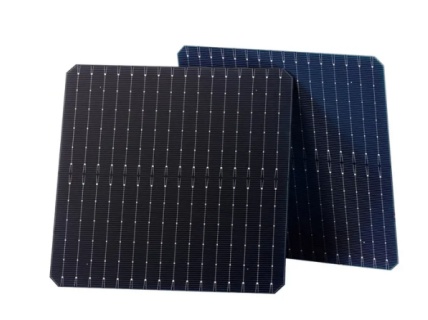
Perovskite solar cells are a new and innovative type of solar cell made from a class of materials known as perovskites, which have a unique crystal structure. These materials are typically composed of organic-inorganic compounds, and they have been shown to have exceptional light absorption capabilities and high efficiency.
High Efficiency: Perovskite solar cells have demonstrated efficiencies of over 25%, which is comparable to or even surpasses that of silicon-based solar cells.
Low-Cost Production: The materials used in perovskite solar cells are inexpensive, and they can be manufactured using low-cost processes, such as inkjet printing, making them a potentially more affordable option in the future.
Flexibility and Lightweight: Like thin-film solar cells, perovskite solar cells can be made flexible and lightweight, allowing for innovative applications in various industries.
Stability Issues: One of the biggest challenges with perovskite solar cells is their instability under environmental stress, such as moisture, heat, and UV light. Researchers are actively working to improve their longevity.
Toxicity: Some perovskite materials, such as lead-based compounds, can be toxic, raising concerns about the environmental impact if these cells are not disposed of properly.
Perovskite solar cells are still in the experimental phase, but they hold significant potential for future use in both residential and commercial solar installations. Their high efficiency and low-cost manufacturing process could revolutionize the solar industry.
Solar cells are at the forefront of the renewable energy revolution, and choosing the right type of solar cell is essential for maximizing energy efficiency, reducing costs, and meeting specific energy needs. Each type of solar cell—whether monocrystalline, polycrystalline, thin-film, or perovskite—has its unique set of advantages and challenges. Understanding these differences will help you make an informed decision when selecting solar technology for your home, business, or industrial applications.
At Chengdu Luneng New Energy Technology Co., Ltd., we specialize in providing high-quality solar energy solutions, including advanced solar cells that help maximize energy efficiency and reduce environmental impact. Our solar products are designed to meet the diverse needs of our customers, whether for residential, commercial, or industrial purposes.
Contact us today to learn more about our innovative solar energy solutions and how we can help you harness the power of the sun.



