


Views: 0 Author: Site Editor Publish Time: 2026-02-11 Origin: Site


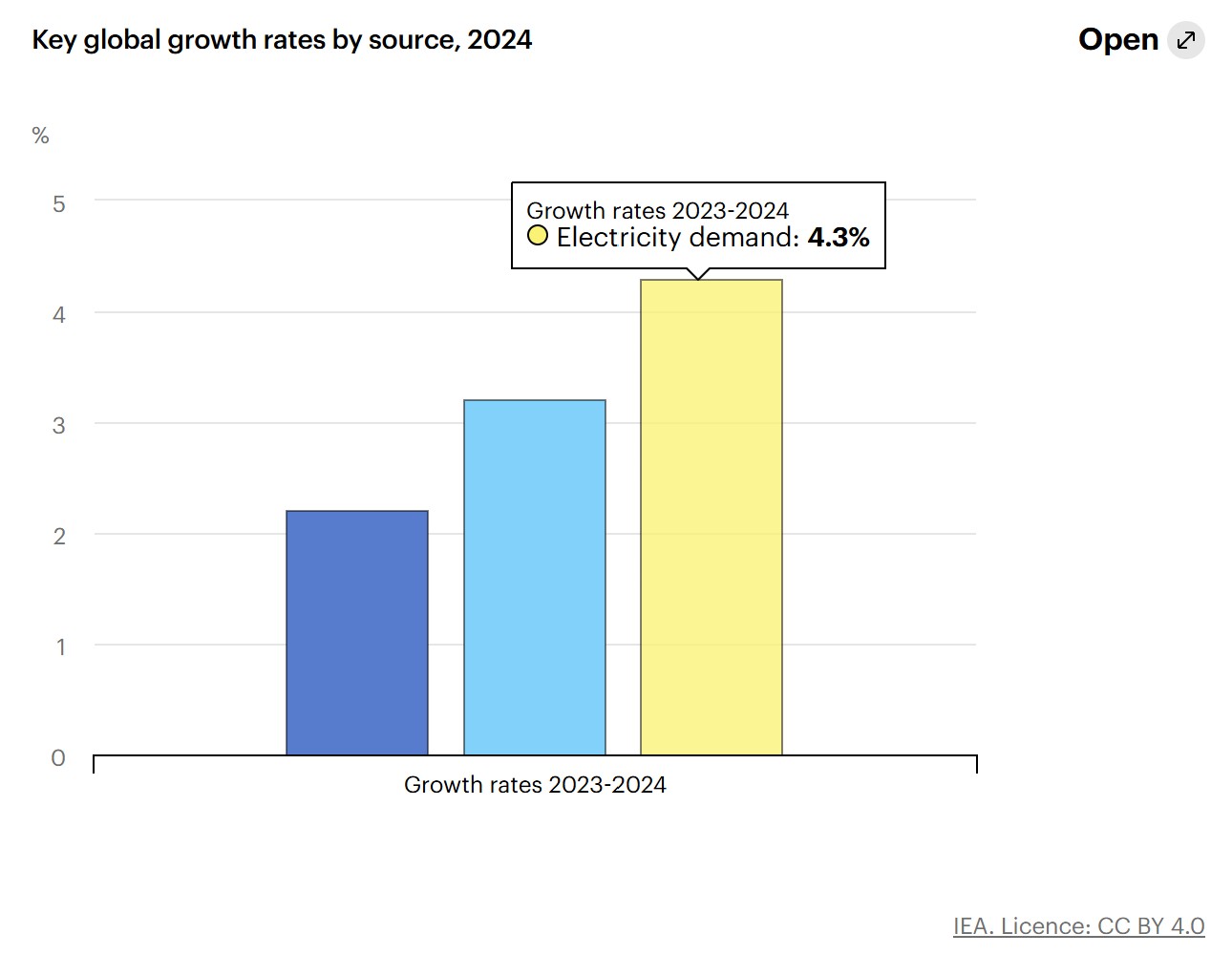
Global energy demand continues to rise as industries, cities, and digital infrastructure consume more electricity than ever before. According to the data from IEA, global energy demand rose by 2.2% in 2024, reaching nearly 650 EJ. At the same time, the transition toward renewable energy has introduced new challenges, since solar and wind power are naturally variable and cannot always generate electricity on demand.
To bridge this gap, Battery Energy Storage Systems (BESS) have become a key component of modern power infrastructure, enabling electricity to be stored and used whenever it is needed. By improving grid stability, supporting renewable integration, and enhancing energy efficiency, BESS is reshaping how energy is managed.
This guide explores what battery energy storage systems are, how they work, their benefits, major types, and essential safety considerations.
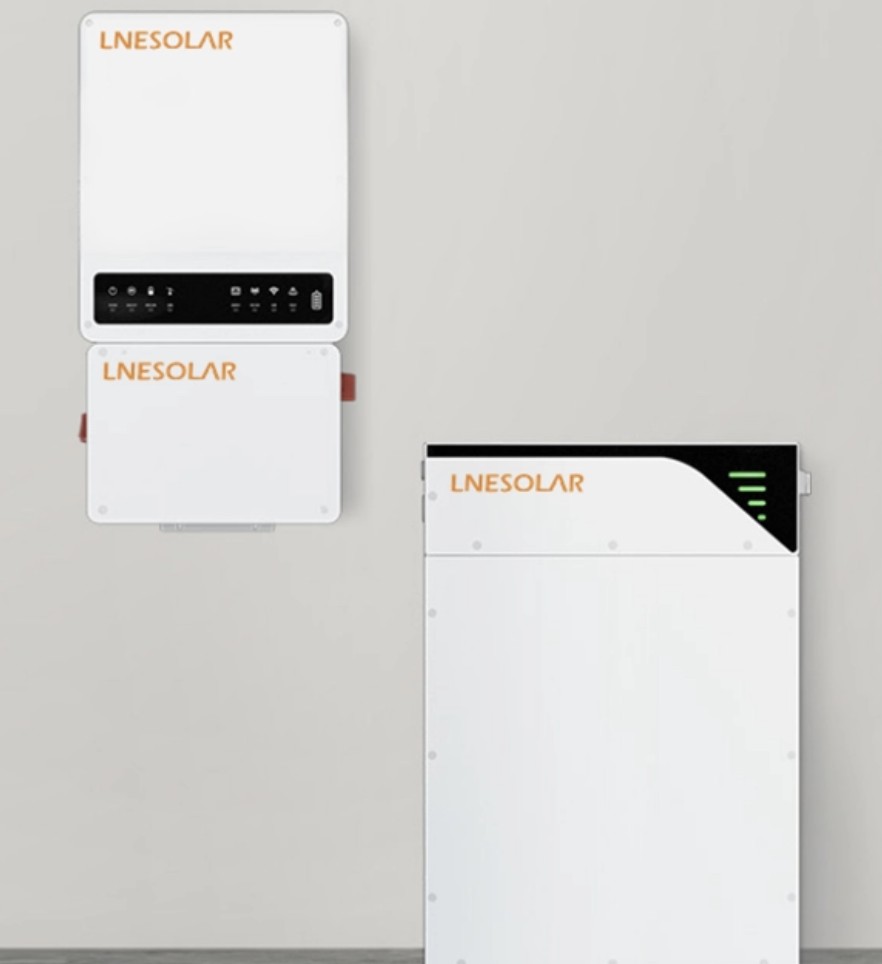
35KWh Residential Energy Storage System
A Battery Energy Storage System (BESS) is a technology designed to store electricity and deliver it when power is needed most. It can capture energy from the utility grid, renewable sources such as solar and wind, or other local generation systems, and then release that stored energy during peak demand periods or outages. By acting as a flexible energy reserve, a BESS helps balance supply and demand, improves energy reliability, and ensures a stable power supply for homes, businesses, and industrial facilities.
A typical BESS consists of battery modules that store electrical energy, along with supporting systems that ensure efficient and safe operation. These core components work together to manage power conversion, system monitoring, and operational safety.
Main components include:
Battery modules and packs: Store electrical energy for later use
Power Conversion System (PCS/Inverter): Converts electricity between AC and DC
Battery Management System (BMS): Monitors battery health, temperature, and safety
Energy Management System (EMS): Controls charging, discharging, and energy flow
Thermal management system: Maintains optimal operating temperature
Safety and protection systems: Include fire protection, sensors, and automatic shutdown mechanisms
A battery energy storage system captures electricity when supply exceeds demand and releases it when additional power is required. It operates like a large rechargeable energy reserve, helping balance energy production and consumption while ensuring a stable and reliable power supply. Its operation can be understood through several key stages:
Electricity from renewable sources such as solar or wind, or from the utility grid, is directed into the system. The power conversion system converts AC electricity into DC power so it can be stored efficiently in the batteries.
Energy is stored inside battery cells as electrochemical energy. During this phase, the battery management system continuously monitors temperature, voltage, and state of charge to maintain safety and performance.
When demand increases or grid support is needed, stored energy is released. The inverter converts the stored DC electricity back into AC power for use by facilities or the grid.
Throughout the process, the energy management system optimizes when to charge or discharge, ensuring maximum efficiency, cost savings, and stable power supply.
PCS (Power Conversion System): Manages conversion between AC and DC power
BMS (Battery Management System): Monitors battery health, temperature, and safety
EMS (Energy Management System): Optimizes energy flow, charging, and discharging to maximize efficiency
Battery energy storage systems can use several battery technologies, and each type is designed for different performance needs, costs, and applications. Some systems focus on high efficiency and fast response, while others prioritize long lifespan or lower installation costs. Understanding the main battery types helps businesses and utilities choose the right solution for their energy storage projects.
| Battery Type | Key Advantage | Limitation | Typical Use |
|---|---|---|---|
| Lithium-ion | High efficiency and density | Higher upfront cost | Solar, commercial, grid |
| Lead-acid | Low cost | Short lifespan | Backup, small systems |
| Flow battery | Long cycle life | Larger footprint | Utility-scale storage |
| Sodium-sulfur | High energy capacity | High operating temperature | Grid support |
| Emerging tech | Future potential | Limited adoption | Pilot projects |
Lithium-ion battery systems are the most widely used technology in modern energy storage. They offer high energy density, strong efficiency, and fast response times, making them suitable for renewable energy integration, commercial facilities, and grid support. Two common lithium-ion chemistries include lithium iron phosphate (LFP), known for its safety and long lifespan, and nickel manganese cobalt (NMC), valued for its higher energy density. Because of their reliability and improving cost performance, lithium-ion batteries dominate most new BESS installations.
Lead-acid batteries are one of the oldest and most established energy storage technologies. They are widely available and relatively low in cost, which makes them attractive for smaller projects or backup power systems. However, they generally have a shorter lifespan and lower energy density compared to newer battery technologies. While they are not as common in large-scale energy storage today, they are still used in applications where budget and simplicity are priorities.
Flow batteries store energy in liquid electrolytes that circulate through external tanks and a central reaction chamber. This design allows them to deliver a long cycle life and consistent performance over time. They can also be scaled easily by increasing the size of the electrolyte tanks, making them suitable for large energy storage projects and grid-level applications. Because of their durability and flexibility, flow batteries are often considered for renewable energy storage and long-duration energy supply.
Sodium-sulfur batteries provide high energy density and are typically used for large stationary storage systems. They operate at elevated temperatures and are commonly deployed in utility-scale or industrial environments where stable, long-duration energy storage is required. These batteries are particularly useful for grid stabilization and renewable integration, especially in regions with high energy demand.
New battery technologies continue to develop as energy storage demand grows worldwide. Solid-state batteries promise improved safety and higher energy density, while hybrid energy storage systems combine multiple technologies to optimize performance. Hydrogen-integrated storage solutions are also gaining attention as a potential long-term energy storage method. Although many of these technologies are still evolving, they represent the future direction of battery energy storage and are expected to play a larger role in the coming years.
Battery energy storage systems offer significant advantages for modern energy users. As electricity demand grows and energy systems become more complex, reliable storage solutions help manage power more efficiently. These systems improve energy security, reduce operating costs, and support the transition toward cleaner energy. From homes and commercial buildings to large utilities and industrial facilities, many sectors now rely on battery storage to stabilize power supply and optimize energy use.
| Benefit | How It Helps | Typical Users |
|---|---|---|
| Reliability | Backup power and stable supply | Hospitals, data centers |
| Cost savings | Peak shaving and load shifting | Commercial, industrial |
| Renewable support | Stores solar and wind energy | Solar plants, microgrids |
| Grid stability | Balances supply and demand | Utilities |
| Scalability | Easy system expansion | All sectors |
One of the most important benefits of battery energy storage systems is improved energy reliability. A BESS can provide backup power during grid outages, helping maintain continuous operations when electricity supply is disrupted. This is especially important for critical facilities such as hospitals, data centers, and manufacturing plants where power interruptions can lead to major financial or operational losses. By delivering stored electricity when it is needed most, these systems ensure a stable and dependable energy supply.
Battery storage can also help reduce electricity expenses through smarter energy management. Businesses and energy users can store electricity when prices are low and use it during peak periods when rates are higher. This process, often called peak shaving or load shifting, allows companies to avoid expensive demand charges and optimize their overall energy consumption. Over time, the ability to control when and how electricity is used can lead to substantial cost savings and improved energy efficiency.
Renewable energy sources such as solar and wind generate electricity intermittently, depending on weather and environmental conditions. Battery energy storage systems store excess renewable energy when production is high and release it when generation drops. This enables a more stable and consistent supply of clean energy while reducing reliance on traditional fossil fuel power sources. As renewable adoption continues to increase worldwide, battery storage plays a crucial role in making clean energy more reliable and practical.
Battery energy storage systems also contribute to grid stability by balancing electricity supply and demand in real time. They respond quickly to fluctuations in energy usage, providing frequency and voltage support to maintain stable grid operation. This fast response helps reduce the risk of overloads and blackouts while improving overall power quality. Utilities and grid operators increasingly deploy storage systems to strengthen infrastructure and ensure reliable electricity distribution.
Another major advantage of battery energy storage is its flexibility and scalability. These systems are typically modular, allowing additional battery units to be added as energy demand grows. They can be installed in residential settings, commercial facilities, industrial plants, or utility-scale projects. This adaptability makes battery storage suitable for a wide range of applications, from small solar energy systems to large grid-support installations, providing long-term value and operational flexibility.
Battery energy storage systems are now used across many sectors of the modern energy landscape. As electricity demand increases and renewable energy adoption accelerates, reliable storage solutions help balance supply and demand while improving operational efficiency.
| Application Area | How BESS Helps | Typical Users |
|---|---|---|
| Renewable energy | Stores solar and wind energy | Solar & wind farms |
| Industrial sites | Reduces peak costs and downtime | Factories |
| Commercial buildings | Improves energy efficiency | Offices, hospitals |
| Data centers | Provides backup and stability | Cloud & AI facilities |
| Microgrids | Enables off-grid power supply | Remote communities |
| EV charging | Supports fast charging demand | Charging operators |
One of the most common applications of battery energy storage systems is renewable energy storage. Solar and wind power generate electricity intermittently, depending on weather conditions and time of day. Battery storage captures excess energy during periods of high generation and releases it when production decreases or demand rises. This process ensures a stable supply of clean energy and allows renewable power systems to operate more efficiently. Many solar farms and wind installations rely on battery storage to reduce energy waste and improve grid integration.
Industrial and manufacturing facilities often require a large and consistent power supply to maintain production efficiency. Battery energy storage systems help these facilities manage electricity consumption by storing power during off-peak hours and supplying it during periods of high demand. This reduces peak demand charges and improves cost control. In addition, battery storage can provide backup power to prevent unexpected shutdowns, helping factories maintain productivity and avoid costly interruptions to operations.
Commercial buildings, office complexes, and large campuses benefit from improved energy management through battery storage systems. These systems help reduce electricity costs by optimizing when energy is consumed and stored. Many commercial facilities integrate battery storage with solar installations to maximize energy efficiency and sustainability. They also use stored energy to maintain operations during short outages or grid instability, ensuring comfort, safety, and continuity for occupants and businesses.
Data centers and AI infrastructure require continuous, high-quality power to operate reliably. Even brief power interruptions can lead to data loss, system downtime, and financial impact. Battery energy storage systems provide instant backup power and help stabilize electricity supply for servers and digital equipment. As demand for cloud computing, artificial intelligence, and data processing continues to grow, energy storage has become essential for maintaining stable and efficient digital infrastructure.
Microgrids and off-grid systems rely heavily on battery energy storage to ensure consistent electricity supply. In remote locations or areas with limited grid access, battery storage works alongside renewable energy sources and local generation systems to provide dependable power. It stores energy when production is high and delivers it when generation is low, improving resilience and reducing dependence on diesel generators. Many communities and industrial sites use battery storage to create more independent and reliable energy systems.
The expansion of electric vehicle charging networks has created new demand for reliable and high-capacity power supply. Battery energy storage systems support EV charging infrastructure by storing electricity during low-demand periods and delivering it during peak charging times. This helps reduce strain on the grid while enabling faster and more efficient charging. As electric mobility continues to grow worldwide, battery storage will play an increasingly important role in supporting stable and scalable charging networks.
Battery energy storage is entering a new stage of global development as power systems evolve toward cleaner, smarter, and more flexible energy infrastructure. Industry analysis indicates that storage is no longer viewed as an optional upgrade but as a critical component of future energy networks. As technology advances and costs continue to decline, battery energy storage is expected to play an increasingly central role in supporting reliable power supply, enabling renewable integration, and meeting the energy demands of a rapidly electrifying world.
The battery energy storage industry is entering a period of strong global expansion as energy systems transition toward cleaner and more flexible power infrastructure.
According to analysis from global energy research firm Wood Mackenzie, battery storage is rapidly becoming a core component of modern electricity networks rather than a supporting technology. Many countries are accelerating deployment to strengthen grid resilience and support renewable energy integration.
Large markets such as the United States and China continue to lead installations, while emerging regions in the Middle East, Southeast Asia, and Latin America are also increasing investment. This sustained growth shows that battery storage is evolving into a foundational asset for future energy systems.
| Region / Country | Key Trend | Growth Signal | Main Drivers |
|---|---|---|---|
| United States | Record installations continue | +20% growth forecast for 2025 | Grid demand, renewable expansion, large-scale storage deployment |
| China | Remains global leader in capacity growth | Leading global installations | Rapid solar & wind adoption paired with mandatory storage |
| Europe | Grid-scale storage accelerating | Utility-scale surpasses distributed for first time | Renewable integration and grid stabilization needs |
| Latin America | Fastest emerging growth | +42% storage deployment increase | Renewable expansion and grid modernization |
| Saudi Arabia | Rising into global top 10 | Expected to rank 7th globally by new capacity | Large solar & wind expansion, national energy transition |
| Emerging Markets (Global) | Strong growth momentum | Increasing share of global installations | Electrification, renewable deployment, grid reliability needs |
Rising electricity demand from digital infrastructure and electrification is creating new opportunities for battery energy storage. The rapid expansion of AI data centers, cloud computing, electric vehicles, and electrified industrial processes is significantly increasing global power consumption. These energy-intensive operations require stable and reliable electricity to function efficiently. Battery energy storage systems help meet this demand by providing backup power, peak load management, and flexible energy support, allowing facilities to maintain stable operations while reducing pressure on local grids. As digital technologies and electrification continue to expand, energy storage will play an increasingly important role in supporting consistent power supply.
Battery storage is becoming more closely integrated with smart grid systems and renewable energy sources such as solar and wind. As renewable capacity grows, the need to manage intermittent power generation becomes more critical. Energy storage systems capture excess electricity during periods of high generation and release it when production falls or demand rises. They also help stabilize grid frequency and voltage, improving overall power quality and reliability. With the expansion of smart grid technologies and distributed energy resources, battery storage is emerging as a key tool for balancing modern electricity networks and supporting long-term decarbonization goals.
Ongoing technological progress is driving cost reductions and performance improvements in battery energy storage systems. Advances in battery chemistry, manufacturing processes, and system integration have steadily lowered installation costs while improving efficiency and lifespan. Technologies such as lithium iron phosphate batteries, hybrid storage configurations, and advanced energy management systems are making storage more reliable and economically viable. As production scales and innovation continues, battery storage is expected to become more accessible across residential, commercial, and utility-scale applications, further accelerating global adoption.
A: Yes. Modern BESS use advanced battery management systems, cooling, and fire protection to prevent overheating and failures. Proper design, monitoring, and certified installation ensure safe operation in residential, commercial, and utility environments.
A: Lithium-ion batteries are the most widely used due to high efficiency, long cycle life, and strong performance. LFP is popular for safety and durability, while flow batteries suit large grid-scale projects.
A: Most systems last 10–20 years depending on battery chemistry, usage cycles, and maintenance. Lithium-ion systems typically deliver thousands of charge-discharge cycles.
A: High upfront cost, space requirements, and performance degradation over time are common limitations. Proper system design and management help reduce these challenges.

Explore LNESOLAR integrated solar and energy storage solutions designed for reliable, efficient, and sustainable power. Our advanced PV modules and BESS systems work seamlessly together to deliver stable energy supply, lower carbon emissions, and optimized performance. With global manufacturing strength and proven project experience, we help you build resilient renewable infrastructure and accelerate your clean energy transition.



