


| Quantity: | |
|---|---|


The 215kWh Liquid Cooling ESS Solution from LNEPOWER is a highly integrated, industrial-grade battery energy storage system (BESS) engineered for grid-level, commercial, and new energy application scenarios. This advanced modular liquid-cooled battery energy storage system integrates 215kWh LFP battery modules with a high-efficiency liquid cooling thermal management system, delivering reliable energy storage, peak load regulation, and grid stability support. Designed for clients, this turnkey industrial grid-scale ESS maximizes revenue through energy arbitrage, reduces electricity costs, and enhances renewable energy utilization for long-term project profitability.
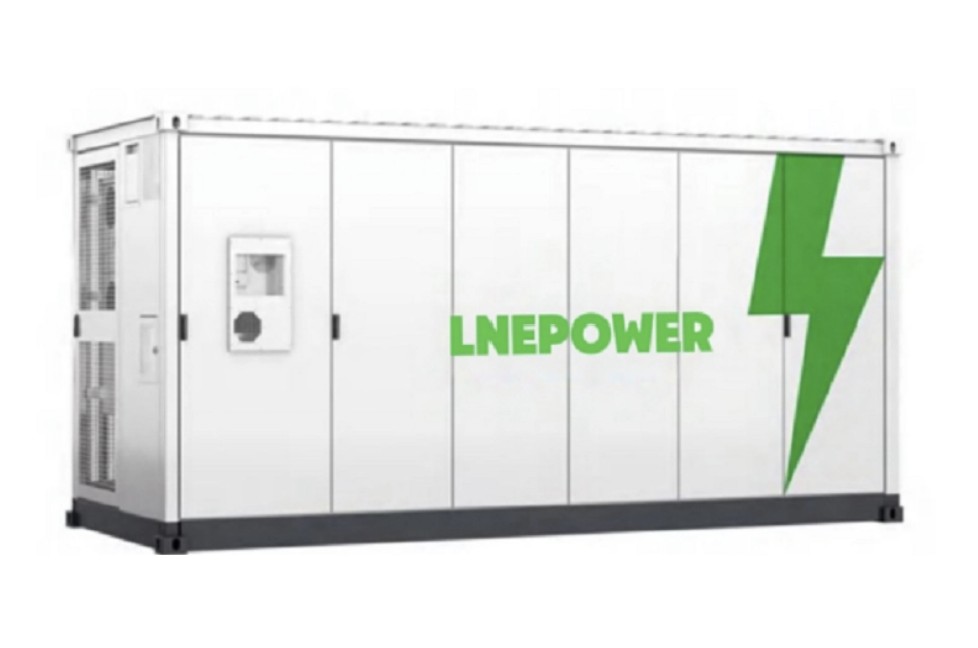
This commercial solar energy storage system adopts a pre-assembled modular architecture, with 5 battery modules forming a 215kWh standard configuration. The design supports flexible parallel expansion, enabling customized capacity scaling to meet the needs of projects from small commercial parks to large-scale grid-level energy storage stations. The compact integrated design simplifies transportation, on-site installation, and later O&M, reducing engineering and labor costs for project contractors.
The precision liquid cooling system maintains uniform battery temperature within the optimal operating range, significantly extending battery cycle life and reducing thermal runaway risks. The system is equipped with intelligent monitoring and linkage protection, an integrated heating system for low-temperature environments, and optional C4/C5 fire suppression systems, ensuring 24/7 safe and reliable operation in harsh environmental conditions.
The built-in intelligent Energy Management System (EMS) supports multiple customizable operation modes, with optimized algorithms to maximize revenue through peak-valley arbitrage, peak shaving, and renewable energy consumption optimization. The cloud-based monitoring platform supports multi-device access and MySQL database connection, enabling real-time remote monitoring, data analysis, and system O&M for users, reducing on-site management costs.
Built with premium LFP 280Ah battery cells, the system delivers a 95% depth of discharge (DOD) and up to 6000 cycle life, ensuring long-term stable performance and low lifecycle cost. The turnkey system design optimizes energy conversion efficiency, maximizing economic benefits for industrial and commercial users and renewable energy project developers.
Parameter | Specification |
Battery Model | LFP-280Ah |
Cell Specification | 3.2V/280Ah |
Max. Nominal Energy | 215kWh |
Nominal Voltage | 768V |
Battery Voltage Range | 672V~864V |
Cooling Method | Liquid Cooling |
Cycle Life | 6000 cycles |
Operating Temperature Range | -20℃ ~ 50℃ |
Protection Grade | Aerosol |
Dimensions (W×D×H) | 1300×1300×2300mm |
Weight | ≈2.8t |
This peak shaving liquid cooling BESS is suitable for a wide range of use cases, including: industrial and commercial peak shaving and valley filling arbitrage, grid ancillary services (frequency regulation, voltage support, capacity firming), solar and wind renewable energy consumption optimization, backup power for critical facilities and off-grid microgrids, and transmission and distribution grid investment optimization.
The LNEPOWER liquid cooling ESS complies with full international safety and performance standards, including IEC62619, IEC63056, IEC62477, IEC60730, and IEC61000 series certifications. We provide a standard 5-year comprehensive product warranty, with customizable extended warranty options up to 10 years for bulk project orders. Our dedicated technical team offers full lifecycle support, including system design, installation guidance, and after-sales maintenance services.
The primary use cases include peak shaving to reduce high demand charges, energy arbitrage using peak-valley electricity price differences, reducing renewable energy curtailment by storing excess generation, and grid ancillary services to earn additional revenue for project owners.
The system features a multi-layer safety design, including precision liquid cooling thermal management, intelligent BMS with real-time fault monitoring, linkage protection mechanisms, and optional advanced fire suppression systems, effectively preventing thermal runaway and ensuring safe long-term operation.
Yes. The system’s intelligent EMS supports seamless integration with existing solar PV, wind power, and grid connection systems, with customizable operation modes to optimize renewable energy utilization and project economic benefits.


